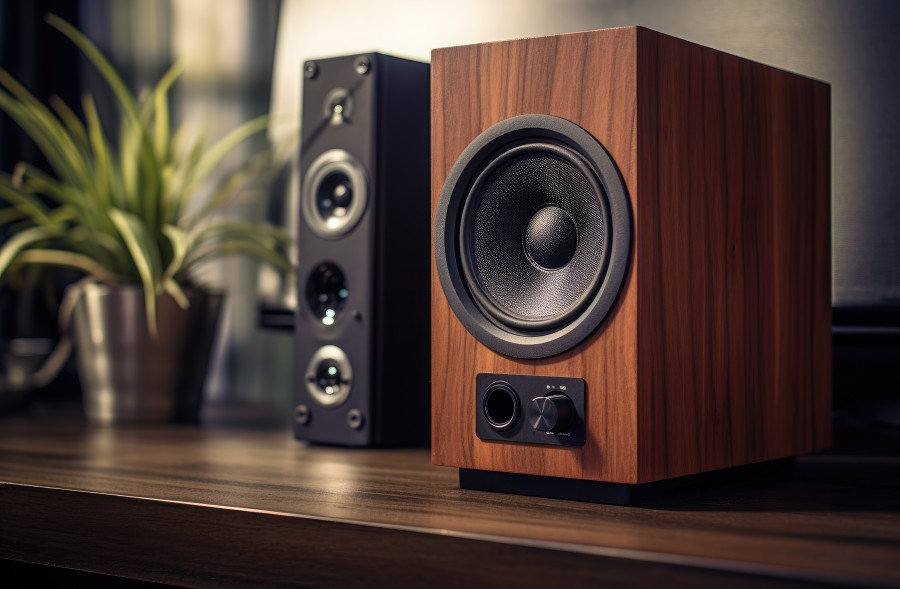
Choosing the right Wooden Speaker Box Manufacturer in Loni is important when sound quality, cabinet durability, appearance, and customization all matter. Whether you need speaker cabinets for home audio, professional sound systems, commercial installations, or OEM production, the manufacturer you select can influence the overall performance and reliability of the finished product.
You can also check our Instagram or Facebook
Festuune understands more than woodworking. They should be able to combine suitable materials, accurate cabinet construction, practical design, and consistent finishing to create speaker boxes that meet the requirements of the intended audio system.
What Should You Look for in a Wooden Speaker Box Manufacturer in Loni?
Start by assessing the manufacturer’s experience, material selection, manufacturing process, customization capabilities, and quality-control practices. Ask about cabinet construction, dimensions, wood or board specifications, finishing options, production capacity, and whether they can build boxes according to your speaker components and acoustic requirements.
The right supplier should also communicate clearly about specifications, quantities, lead times, and quality expectations before production begins.
1. Check the Material Used for the Speaker Cabinet
The material used for a speaker enclosure affects its strength, weight, appearance, and suitability for different applications.
Common cabinet materials include:
- MDF and engineered wood
- Plywood
- Particle board for certain applications
- Solid wood for specific designs
- Laminated or veneered boards for aesthetic requirements
The best material depends on the speaker design and intended use. For example, a portable audio cabinet may require a balance between weight and structural strength, while a fixed commercial installation may have different priorities.
Instead of choosing a cabinet simply because it looks attractive, discuss the intended application with the manufacturer and confirm which material is appropriate.
2. Examine Cabinet Construction Quality
A speaker box needs accurate construction. Gaps, weak joints, uneven panels, or inconsistent dimensions can affect the durability and overall finish of the enclosure.
Ask the manufacturer about:
- Panel thickness and consistency
- Joint construction
- Internal bracing
- Mounting cut-outs
- Edge finishing
- Surface preparation
- Screw and fastening methods
- Quality checks during assembly
Precise cutting is particularly important when the cabinet needs to accommodate woofers, tweeters, ports, terminals, handles, or other hardware.
Why Internal Design Matters
A speaker enclosure is not simply a wooden container for audio components. Its internal volume, shape, bracing, and port arrangement can influence how the speaker system performs.
For this reason, a manufacturer should be able to work from accurate dimensions and technical drawings where required. For custom projects, providing the driver specifications and cabinet requirements before manufacturing can help reduce errors.
3. Ask About Custom Speaker Box Manufacturing
Standard speaker cabinets may not suit every project. You may require a particular cabinet size, cut-out, finish, mounting arrangement, or branding requirement.
A capable manufacturer should be able to discuss options such as:
- Custom cabinet dimensions
- Woofer and tweeter cut-outs
- Bass-reflex or port openings
- Handles and mounting points
- Grille installation
- Different surface finishes
- Branding or logo placement
- OEM and bulk production
Custom manufacturing is especially useful for businesses developing their own audio products or requiring cabinets that match specific electronic components.
4. Consider the Intended Application
Before selecting a supplier, clearly define where the speaker box will be used.
Different applications can have different cabinet requirements. For example, a home audio cabinet may prioritize appearance and compact dimensions, while a professional sound system may require greater structural strength and easy transportation.
Consider whether the enclosure is intended for:
- Home audio systems
- PA speakers
- Commercial sound systems
- Portable speakers
- Stage and event audio
- Studio equipment
- OEM speaker production
- Custom audio projects
Explaining the application allows the manufacturer to better understand your requirements and recommend a suitable construction approach.
5. Review Finishing and Appearance
The cabinet’s finish can be just as important as its construction, particularly when the speaker will be visible in a retail, residential, hospitality, or professional environment.
Depending on the product, finishing options may include laminate, paint, veneer, textured surfaces, or other protective finishes.
Look for an even surface, clean edges, properly finished corners, and consistent appearance across multiple units. If you are ordering in bulk, ask how the manufacturer maintains consistency from one cabinet to another.
6. Evaluate Production Capacity and Quality Control
If you need several speaker cabinets, manufacturing capacity becomes an important consideration. A supplier should be able to explain its production capability and expected delivery schedule.
However, production volume should not come at the expense of consistency.
Ask whether the manufacturer checks:
- Dimensions
- Cut-out accuracy
- Panel alignment
- Joint strength
- Surface finish
- Hardware fitting
- Overall cabinet appearance
For larger orders, discussing a sample or prototype before full production can also help identify design issues early.
7. Compare More Than Just the Price
Price is important, but the lowest quotation may not represent the best value. A cheaper cabinet could use a different material, thinner panels, simpler finishing, or fewer customization options.
When comparing manufacturers, consider the complete specification:
Material + construction + customization + finishing + quality control + quantity + delivery
Request quotations based on the same specifications so that you can make a meaningful comparison. Also confirm whether cutting, finishing, hardware, packaging, and other requirements are included in the quoted price.
8. Look for Clear Communication
Good communication can prevent expensive manufacturing mistakes.
Before placing an order, make sure both sides agree on:
- Cabinet dimensions
- Material type
- Panel thickness
- Driver cut-out dimensions
- Port specifications
- Finish
- Quantity
- Packaging requirements
- Delivery timeline
If the design is customized, technical drawings or reference samples can make the specifications easier to understand.
Why Local Manufacturing in Loni Can Be Practical
Working with a Wooden Speaker Box Manufacturer in Loni can be convenient for businesses and buyers in Loni, Ghaziabad, Sahibabad, and surrounding areas. Local sourcing may make communication, sample discussions, inspections, and order coordination more straightforward.
However, location should be considered alongside manufacturing capability and product quality. A nearby supplier is useful only when it can meet the required specifications and production standards.
Frequently Asked Questions
1. What should I check before ordering a wooden speaker box?
Check the cabinet material, dimensions, panel thickness, construction quality, driver cut-outs, internal design, finishing, and hardware requirements. You should also confirm whether the manufacturer can produce the required quantity consistently. For custom cabinets, providing technical specifications or drawings before production is especially helpful.
2. Which material is suitable for making speaker cabinets?
MDF, plywood, engineered wood, and other materials can be used depending on the cabinet design and application. There is no single material that is ideal for every speaker. The choice should consider factors such as required strength, weight, cabinet dimensions, finish, intended use, and overall product design.
3. Can a manufacturer make custom wooden speaker boxes?
Yes, many manufacturers can produce custom speaker cabinets based on specific dimensions and component requirements. Customization may include driver cut-outs, ports, mounting points, handles, finishes, and branding. For accurate production, manufacturers may require drawings, measurements, component specifications, or a physical reference sample.
4. How do I choose a speaker cabinet supplier in Loni?
Compare suppliers based on manufacturing experience, material options, customization capability, construction quality, finishing, production capacity, communication, and pricing. Ask for relevant product samples or specifications where available. A supplier should also clearly explain what is included in the quotation and how custom requirements will be handled.
5. Are wooden speaker boxes suitable for professional audio systems?
Yes, wooden speaker cabinets can be used for many professional audio applications, provided the enclosure is designed and constructed appropriately for the intended system. The required material, dimensions, bracing, mounting arrangements, and finish depend on the speaker components and application. Professional projects should be developed from accurate technical specifications.
Conclusion
Choosing the right Wooden Speaker Box Manufacturer in Loni requires more than comparing quotations. Look at the material, cabinet construction, dimensions, customization options, finishing quality, production capability, and communication before placing an order. Most importantly, ensure the manufacturer understands the intended application and can work accurately from your technical requirements. Whether you need a single custom enclosure or cabinets for larger production, clear specifications and quality checks can help avoid unnecessary rework. If you are evaluating speaker cabinet suppliers in Loni or nearby Ghaziabad areas, review their capabilities, discuss your requirements in detail, and request suitable samples or specifications before moving ahead with production.