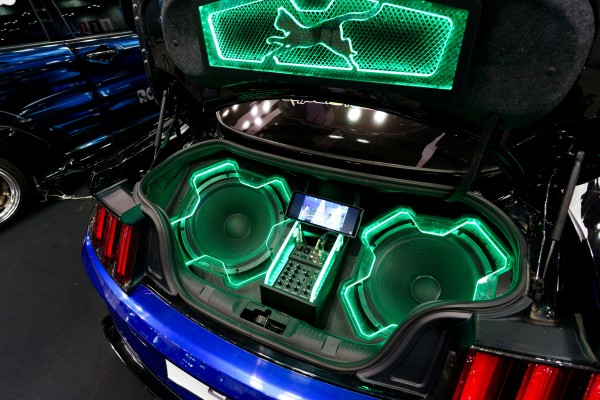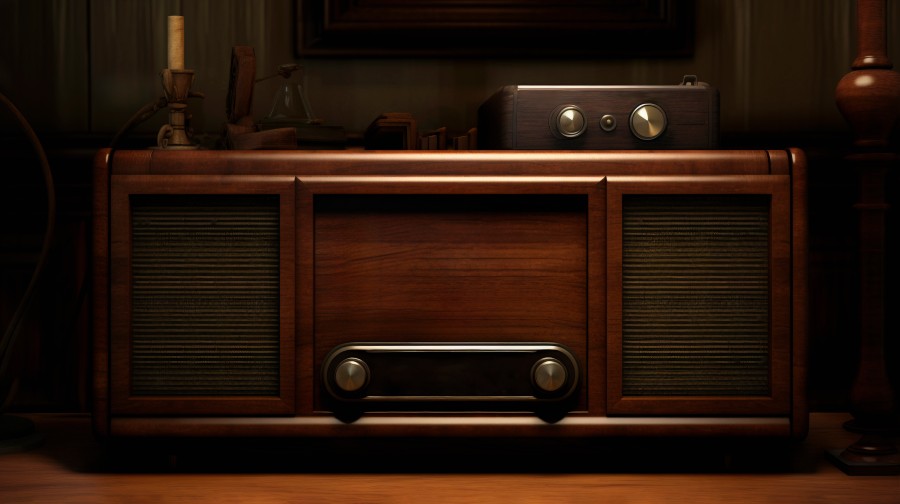
Choosing the right speaker cabinet can have a significant impact on the overall performance, durability, and appearance of an audio system. A Speaker Cabinet Manufacturer in Ghaziabad may offer different cabinet designs based on speaker size, application, acoustic requirements, material, and installation environment. Understanding these options makes it easier for audio brands, dealers, event companies, and system integrators to select a suitable cabinet. Speaker cabinets are more than just enclosures. Their dimensions, construction, internal volume, material, and design can influence how efficiently a loudspeaker operates and how the finished product performs in its intended setting.
You can also check our Instagram or Facebook
A speaker cabinet is an enclosure designed to house and support one or more loudspeaker components. Festuune produces cabinets in MDF, plywood, plastic, or other suitable materials, with designs for PA systems, home audio, stage speakers, subwoofers, and commercial installations. Cabinets can also be customized for specific speaker sizes and applications.
Common Types of Speaker Cabinets
Different audio applications require different enclosure designs. A manufacturer typically considers the speaker driver, intended use, power requirements, cabinet dimensions, and acoustic design before producing an enclosure.
1. PA Speaker Cabinets
PA, or public address, speaker cabinets are designed for applications where sound needs to cover a relatively large area. They are commonly used for events, conferences, educational institutions, religious venues, and commercial spaces.
These cabinets often accommodate a woofer along with a high-frequency driver. Handles, mounting points, protective grilles, and durable external finishes may also be incorporated depending on the intended use.
2. Subwoofer Cabinets
Subwoofer enclosures are designed primarily for reproducing lower-frequency sound. Their construction and internal volume need careful consideration because low-frequency performance depends significantly on enclosure design.
Depending on the application, manufacturers may produce sealed or ported designs. Ported cabinets use an opening or tuned port to work with the internal air volume and support low-frequency output within the intended design range.
3. Stage Speaker Cabinets
Stage and professional audio systems require cabinets that can withstand frequent handling, transportation, and installation. Therefore, durability becomes an important consideration alongside acoustic performance.
These cabinets may include recessed handles, caster provisions, protective corners, speaker grilles, and mounting points. The final design depends on whether the cabinet is intended for fixed installation or regular transportation.
4. Monitor Speaker Cabinets
Monitor cabinets are commonly used when performers or audio professionals need to hear sound from a relatively close position. Stage monitors often have angled cabinet designs that direct sound toward the listener.
Their shape can make them easier to position on a stage while helping maintain an appropriate listening angle.
5. Column and Line-Array Style Cabinets
Column-style and line-array speaker systems use multiple drivers arranged in a vertical configuration. Their cabinets are generally designed around the dimensions and arrangement of the individual drivers.
These systems are often considered for venues where controlled sound distribution and installation flexibility are important. Cabinet dimensions, driver spacing, mounting arrangements, and structural strength all need to be considered during manufacturing.
6. Custom Speaker Cabinets
Custom enclosures are useful when a standard cabinet does not meet a particular product or installation requirement. A Speaker Cabinet Manufacturer in Ghaziabad can work around specifications such as speaker dimensions, cabinet shape, branding requirements, mounting arrangements, and finishing preferences.
Custom manufacturing can be particularly relevant for OEMs, audio equipment brands, and businesses developing their own speaker products.
Materials Used for Speaker Cabinet Manufacturing
The material used for a cabinet affects its weight, structural strength, durability, appearance, and manufacturing cost.
MDF Cabinets
Medium-density fibreboard, commonly known as MDF, is frequently used for various indoor audio products. Its relatively uniform structure makes it suitable for precision cutting and finishing.
MDF can be useful for applications where a smooth surface and consistent construction are priorities.
Plywood Cabinets
Plywood is widely used for professional and portable audio applications where strength and weight are important considerations. The exact characteristics depend on the plywood grade and construction.
Well-designed plywood cabinets can be suitable for systems that experience regular transportation and handling.
Plastic or Polymer Cabinets
Moulded plastic and other polymer-based enclosures can offer advantages in terms of weight, manufacturing consistency, and resistance to certain environmental conditions. They are commonly found in compact and portable speaker products.
The choice of material should always match the intended application rather than being based on material name alone.
What to Consider When Choosing a Speaker Cabinet
Before selecting a cabinet, buyers and audio manufacturers should evaluate several practical factors:
- Speaker driver size: The enclosure should accommodate the intended components correctly.
- Application: Home audio, professional PA, stage use, and commercial installations have different requirements.
- Cabinet volume: Internal volume is an important part of enclosure design.
- Construction quality: Joints, panels, mounting points, and protective components should be appropriate for the intended use.
- Port or vent design: Ported enclosures require suitable dimensions and tuning.
- Weight: Portable systems may require lighter construction.
- Durability: Frequently transported equipment needs suitable reinforcement and protective features.
- Finish: Paint, laminate, carpet, or other finishes can affect appearance and practical use.
- Customization: OEM projects may require specific dimensions, branding, mounting arrangements, or component configurations.
Why Work With a Local Manufacturer in Ghaziabad?
Working with a local manufacturer can make communication around specifications, prototypes, revisions, and production requirements more convenient. For businesses located in Ghaziabad and nearby industrial areas, local sourcing may also simplify coordination during product development.
However, location should not be the only selection factor. Buyers should also review the manufacturer’s production capabilities, material options, quality-control practices, customization support, and ability to meet the required specifications.
For OEM or bulk orders, it is useful to discuss drawings, material specifications, finishing requirements, component compatibility, packaging, and expected production quantities before placing an order.
Choosing the Right Cabinet for Your Application
There is no single speaker cabinet design that suits every audio system. A compact cabinet may be appropriate for a portable product, while a reinforced plywood enclosure may make more sense for professional stage equipment.
Likewise, a subwoofer enclosure requires different design considerations from a vocal or full-range cabinet. The best approach is to start with the speaker components and intended application, then select the enclosure design accordingly.
A reliable manufacturer should be able to discuss these requirements clearly and explain which construction approach fits the project.
Frequently Asked Questions
What types of speaker cabinets can manufacturers provide?
Manufacturers can produce PA cabinets, subwoofer enclosures, stage speakers, monitor cabinets, column-style enclosures, and custom speaker boxes. The available designs depend on the manufacturer’s equipment and production capabilities. Buyers can discuss speaker size, application, material, dimensions, finish, and mounting requirements to determine a suitable cabinet configuration.
Which material is suitable for a professional speaker cabinet?
Plywood is commonly considered for professional speaker cabinets because it can provide a useful balance of strength and weight. MDF may be suitable for many indoor applications, while moulded polymers can work well for lightweight products. The appropriate material depends on the cabinet design, intended use, transportation requirements, and desired finish.
Can speaker cabinets be made according to custom dimensions?
Yes, custom speaker cabinets can be manufactured according to suitable technical specifications. Custom projects may involve particular driver dimensions, internal volume, cabinet shape, mounting points, grille requirements, branding, and finishing. Providing accurate drawings or component specifications can help the manufacturer develop a cabinet that matches the intended application.
How do I choose a speaker cabinet manufacturer in Ghaziabad?
Look for a manufacturer that can clearly discuss materials, construction methods, customization, component compatibility, finishing, and quality checks. For larger or OEM requirements, also ask about prototype development, production capacity, lead times, packaging, and inspection procedures before finalizing the order.
Are custom speaker enclosures suitable for OEM audio brands?
Custom enclosures can be useful for OEM audio brands because the cabinet can be developed around the brand’s product specifications and design requirements. Depending on the project, manufacturers may support customized dimensions, finishes, mounting arrangements, branding elements, and production quantities. Technical drawings and component details are helpful when starting an OEM project.
Conclusion
Selecting the right enclosure starts with understanding the speaker’s purpose, components, operating environment, and expected use. PA cabinets, subwoofer enclosures, stage monitors, column-style systems, and custom speaker boxes each have different design considerations. Material selection, cabinet dimensions, construction quality, mounting features, and finishing should all be evaluated before production.
For businesses seeking a Speaker Cabinet Manufacturer in Ghaziabad, it is helpful to discuss technical specifications and customization requirements before finalizing an order. Whether the requirement is for an OEM project, professional audio system, or custom product, a manufacturer with suitable capabilities can help translate the intended application into a practical cabinet design.