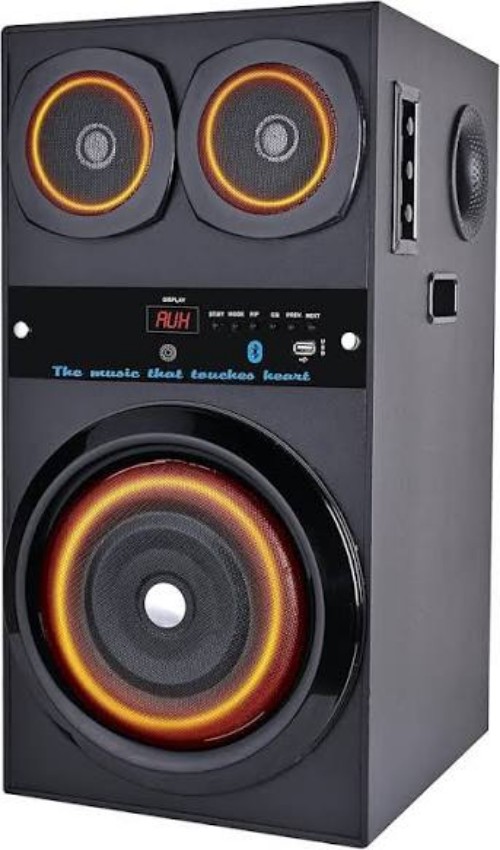
Choosing the right manufacturing partner can directly affect the quality, consistency, and market success of an audio product. Whether you are developing PA speakers, professional audio systems, home audio products, or customized speaker solutions, the cabinet plays an important role in the final product. Working with a reliable OEM Speaker Cabinet Manufacturer in Sahibabad can help businesses turn their product specifications into practical, production-ready cabinets.
You can also check our Instagram or Facebook
However, Festuune offers the same materials, customization capabilities, quality controls, or production support. Therefore, it is important to evaluate a supplier carefully before starting a long-term partnership.
What Does an OEM Speaker Cabinet Manufacturer Do?
OEM stands for Original Equipment Manufacturer. In speaker cabinet manufacturing, an OEM supplier produces cabinets according to a customer’s specifications, design requirements, dimensions, branding needs, and intended application.
Instead of purchasing a standard cabinet, businesses can work with an OEM manufacturer to develop a product suited to their specific requirements.
Depending on the project, OEM speaker cabinet production may involve:
- Cabinet design and engineering
- Material selection
- CNC cutting and machining
- Assembly
- Surface finishing
- Grille and hardware integration
- Custom dimensions and configurations
- Branding and product identification
- Quality inspection and packaging
A capable manufacturer should understand that the cabinet is more than an external enclosure. Its construction, internal volume, rigidity, and design can influence the overall performance and durability of the speaker system.
Key Factors to Consider Before Choosing a Manufacturer
1. Evaluate Material and Construction Quality
The material used for a speaker cabinet should match the product’s intended application. Common options include MDF, plywood, particle board, and engineered materials. Each has different characteristics related to weight, rigidity, durability, machining, and finishing.
For professional audio applications, manufacturers may use materials selected for strength and repeated handling. For indoor consumer products, weight, appearance, and cost may have greater importance.
Ask the manufacturer about:
- Available cabinet materials
- Material thickness
- Internal bracing options
- Joint construction
- Surface finishing
- Resistance to handling and transportation
The right choice depends on the speaker’s acoustic requirements, operating environment, design, and target price.
2. Check Customization Capabilities
OEM manufacturing is valuable because it allows businesses to develop products around specific requirements. Therefore, customization should be one of your main evaluation criteria.
A suitable supplier should be able to discuss requirements such as cabinet dimensions, internal layouts, cut-outs, mounting arrangements, grille designs, handles, connectors, finishes, and branding.
Before selecting an OEM Speaker Cabinet Manufacturer in Sahibabad, share your drawings or technical specifications and ask how the manufacturer plans to convert them into a production-ready cabinet.
3. Look at Manufacturing Technology
Modern speaker cabinets often require accurate cutting and consistent dimensions. Manufacturing equipment can therefore influence product quality and repeatability.
Ask about capabilities such as CNC routing, precision cutting, drilling, edge processing, assembly equipment, and finishing processes.
More importantly, determine whether the manufacturer can maintain the same specifications across repeated production batches. Consistency matters when you are manufacturing speakers for commercial sale.
Why Acoustic Design Matters
A speaker cabinet needs to complement the acoustic design of the complete speaker system. Cabinet volume, internal geometry, port placement, panel rigidity, and unwanted vibration can all matter depending on the speaker design.
Discuss the Cabinet With Your Audio Engineering Team
A cabinet manufacturer does not necessarily replace an acoustic engineer. Instead, the best results often come from collaboration between the product designer, acoustic engineer, and manufacturing team.
Provide relevant specifications such as:
- Driver dimensions
- Required internal volume
- Port or vent requirements
- Mounting configuration
- Intended frequency range
- Product dimensions
- Installation or usage environment
This helps the manufacturer understand the purpose behind the design instead of treating the cabinet as a simple box.
4. Ask About Quality Control
A professional manufacturing process should include quality checks at appropriate production stages.
Quality control may cover dimensions, machining accuracy, joints, surface finish, hardware installation, and final assembly. Depending on the agreement, additional inspection or functional checks may also be appropriate.
Ask potential suppliers:
- How are incoming materials checked?
- How are cabinet dimensions verified?
- Is there an inspection process during production?
- How are finishing defects handled?
- How are completed products inspected before dispatch?
Clear quality standards can reduce inconsistencies and prevent avoidable production problems.
5. Consider Production Capacity
A manufacturer may produce excellent prototypes but struggle with larger orders. Therefore, evaluate production capacity according to your expected requirements.
If you are launching a new product, ask whether the supplier can support both prototype development and subsequent batch production.
Discuss:
- Minimum order quantities
- Prototype availability
- Monthly production capacity
- Lead times
- Scalability
- Packaging and dispatch arrangements
A supplier that can grow with your business may be more valuable than one that only handles small quantities.
6. Compare Pricing Beyond the Initial Quote
Price is important, but the lowest quotation does not always represent the lowest overall cost.
A proper comparison should consider material quality, machining, finishing, hardware, packaging, wastage, tooling, transportation, and production consistency.
Ask manufacturers to clearly explain what their quotation includes. Also, check whether tooling or design-development charges apply separately.
A slightly higher manufacturing price can make commercial sense if it delivers better consistency, fewer defects, and improved product durability.
7. Assess Communication and Technical Support
Good communication can make OEM projects significantly easier. Specifications can change during product development, and manufacturing questions may arise before production begins.
Look for a supplier that communicates clearly about:
- Drawings and specifications
- Material availability
- Design limitations
- Prototype changes
- Production schedules
- Quality concerns
- Packaging requirements
Your manufacturer should also be comfortable identifying potential manufacturing issues before they become expensive production problems.
Why Sahibabad Can Be a Practical Manufacturing Location
Sahibabad is part of the wider NCR industrial ecosystem and has established manufacturing and engineering activity. For businesses operating in Delhi-NCR and nearby markets, working with a local supplier can make communication, sample development, inspections, and logistics more convenient.
However, geographical proximity should not be the only selection criterion. A manufacturer should still demonstrate appropriate technical capabilities, quality processes, production capacity, and transparent commercial terms.
A Simple Checklist for Selecting Your Supplier
Before finalizing a manufacturer, consider whether they can provide:
- Suitable cabinet materials
- Custom design and dimensions
- Precision manufacturing
- Consistent production quality
- Prototype support
- Appropriate finishing options
- Reliable lead times
- Scalable production
- Clear pricing
- Technical communication
- Suitable packaging
You can also request samples or prototypes before committing to a larger production order. This gives your team an opportunity to evaluate construction, appearance, dimensions, and overall suitability.
Frequently Asked Questions
1. What should I look for in an OEM speaker cabinet manufacturer?
Look for manufacturing consistency, suitable materials, customization capabilities, precision machining, quality control, production capacity, and clear communication. You should also assess whether the supplier can produce prototypes and scale production when required.
2. Can OEM speaker cabinets be customized according to a product design?
Yes, OEM cabinets can generally be customized according to technical drawings and product requirements. Depending on the manufacturer’s capabilities, customization may include dimensions, cut-outs, internal arrangements, finishes, grilles, mounting points, handles, and branding elements.
3. Which materials are commonly used for speaker cabinets?
MDF, plywood, particle board, and other engineered materials are commonly used. The appropriate choice depends on the speaker’s design, intended environment, weight requirements, durability expectations, manufacturing method, and budget.
4. How important is prototype development for an OEM speaker cabinet?
Prototype development is highly useful because it allows you to inspect dimensions, construction, finishing, fitment, and design details before moving into larger-scale production. It can also reveal manufacturing challenges that may be difficult to identify from drawings alone.
5. How do I compare speaker cabinet manufacturers in Sahibabad?
Compare manufacturers based on technical capability, material options, customization, quality control, prototype support, production capacity, lead time, pricing transparency, and communication. Request relevant samples or prototypes where possible rather than making a decision based solely on the quotation.
An OEM Speaker Cabinet Manufacturer in Sahibabad should offer reliable materials, precise manufacturing, customization, consistent quality, prototype support, and scalable production. Before choosing a supplier, compare its technical capabilities, acoustic-design coordination, quality-control process, lead times, pricing, and ability to meet your specific cabinet specifications.
Conclusion
Selecting an OEM Speaker Cabinet Manufacturer in Sahibabad requires more than comparing quotations. You need a supplier that understands your product requirements and can consistently deliver cabinets with appropriate materials, accurate dimensions, dependable construction, and suitable finishing. Evaluate customization capabilities, manufacturing technology, quality control, prototype support, production capacity, lead times, and communication before making your decision.
A prototype can also help you identify design or manufacturing issues before committing to a larger batch. Ultimately, the right manufacturing partner should fit both your technical requirements and long-term production goals. If you are exploring OEM speaker cabinet production, the next step is to discuss your specifications, expected quantities, and customization requirements with Festuune.